1
What it refers to
Alpha3d
A branded destination associated with exploring 3D creation.
3D model
A digital representation of an object or scene in three dimensions.
Comparison guide
The short answer to alpha3d vs 3d model is that Alpha3d is a branded destination, while a 3D model is the asset you may want to create or use. Compare your intended workflow with the requirements of the finished asset, rather than treating them as competing products.
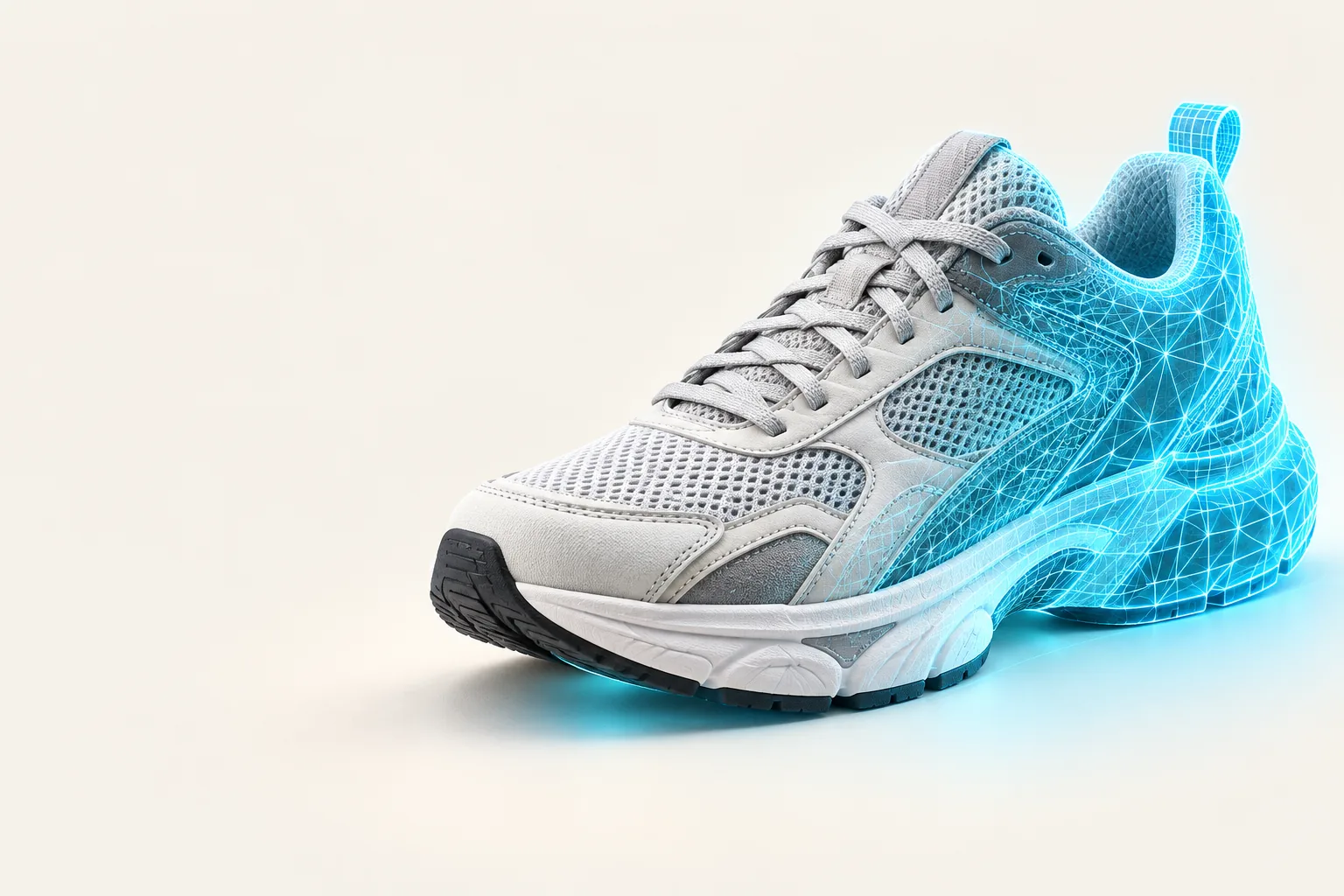
One side is a place to explore a workflow; the other is the thing a workflow might produce. The table separates those roles before comparing practical requirements.
Alpha3d
A branded destination associated with exploring 3D creation.
3D model
A digital representation of an object or scene in three dimensions.
Alpha3d
Does this workflow fit the asset I want to make?
3D model
Does this particular asset meet the job's requirements?
Alpha3d
An idea, image or reference, subject to the workflow's actual input options.
3D model
An existing asset, a commissioned deliverable or an output from a creation workflow.
Alpha3d
Documented inputs, available controls and the actual handoff offered.
3D model
Visible shape, geometry, scale, materials and intended use.
Alpha3d
A test using your own subject and a review of the resulting asset.
3D model
Inspection in the software or context where the asset will be used.
Alpha3d
A destination alone does not establish that any specific output will meet a technical requirement.
3D model
An asset alone does not explain how to create or revise a different one.
Alpha3d
Define what you need, then examine the available workflow.
3D model
Validate the individual model against your acceptance criteria.
The useful comparison is not which label wins. It is whether you need a way to create something or already have something concrete to evaluate.
A sensible direction when the missing piece is a creation workflow, provided you verify its current capabilities yourself.
Pros
Cons
A stronger shortcut when you can inspect a specific asset that already matches the subject and technical brief.
Pros
Cons
Choose according to the work still missing. A destination helps you investigate creation; an existing asset helps when the creation step may already be done.
1
Explore a 3D creation workflow, including Alpha3d, and test it against that specific subject.
Your immediate uncertainty is whether a workflow can get you close enough to the intended form. Make a short acceptance list first: silhouette, important details, scale and the environment where the result will be used. A recognizable image alone cannot answer every downstream question.
2
Inspect the existing 3D model before starting a new creation attempt.
The asset itself is the best evidence of what you will receive. Look beyond its thumbnail: examine views that reveal hidden surfaces, check whether its size makes sense and confirm that its construction suits the intended task. If it passes, recreating it may add work without solving a problem.
3
Set the technical criteria first, then evaluate either route against them.
A visual concept, a model for a real-time scene and an object prepared for fabrication can require different checks. Alpha3d exploration and an existing asset are both starting points, not substitutes for validating the final geometry in its destination environment.
These guides separate the question of what an asset is from how you might create or assess one.
Clarifies what the Alpha3d name refers to before you assess a creation workflow.
Examines what several reference views can contribute when a single view leaves the object's shape ambiguous.
Focuses on the extra geometry and preparation checks needed when the intended result is physical.


These images illustrate the two sides of the decision; they are not a verified before-and-after output pair. A visual comparison can help you judge whether a subject remains recognizable, but it cannot establish geometry quality, dimensions, file compatibility or fitness for a specific downstream use.
Begin with a clear reference and a short list of requirements. Explore the available creation workflow, then judge any result as an individual 3D model: inspect its form, check the details that matter to your use case and test it in the environment where you intend to use it. If you already have a suitable model, start that inspection there instead. This path avoids treating the Alpha3d destination as a guarantee and avoids treating every model as interchangeable.
No. Alpha3d is a name for a branded destination, while a 3D model is an individual digital asset representing three-dimensional form. A destination may be relevant to creating an asset, but the two terms describe different things.
The name alone cannot guarantee that a particular result will meet your requirements. Define what usable means for your task, then inspect any resulting asset for the necessary shape, detail and technical properties. Confirm current workflow capabilities at the destination rather than assuming specific features.
Inspect an existing model first if you have found one that plausibly matches your brief. Explore creation when the subject is specific, no suitable asset is available or you need to investigate a different form. Either way, validate the individual asset before using it.
Compare the silhouette, proportions and important details against your reference from more than one view. Then check properties a preview may hide, such as scale, geometry and suitability for your intended software or production process. A good-looking image is useful evidence of appearance, not complete evidence of readiness.
Not necessarily. A model that works as a visual concept may require changes for another environment or for physical fabrication. Judge it against the requirements of the specific project rather than assuming that the label 3D model implies universal compatibility.